All Categories
Featured
Table of Contents
Dive deeper into the Middle Eastern markets with TA 125, TASI, and more stock indices on one page. Use the stats below, evaluate quotes and modifications to craft better techniques targeting local markets.
International markets typically react sharply throughout geopolitical conflicts, and the ongoing stress including the United States, Israel, and Iran have actually raised concerns about market stability. Historically, stock exchange experience increased volatility and preliminary decreases during wartime due to run the risk of aversion and capital movement toward safe-haven assets. Foreign Institutional Investors (FIIs).
Most stock markets in the Gulf were blended in early trade on Thursday, with market belief moistened by unpredictability over the developing geopolitical situation in the region. Oil costs - a driver for the Gulf's monetary markets - pulled back from multi-month highs after U.S. President Donald Trump relaxed market anxiety over possible U.S.
On Wednesday afternoon, U.S. President Donald Trump said he had been informed that the killings of anti-government protesters in Iran were easing and that he did not believe large-scale executions massive planned.
Advantages of Allocating Capital in Emerging Markets
2026 Galadari Printing and Publishing LLC. All rights scheduled.
The S&P 500 and the Dow opened lower on Wednesday, reflecting financier issues in the middle of increasing stress in the Middle East. This conflict has set off a rise in oil prices, casting doubt on a fast resolution to ongoing hostilities and producing monetary market unpredictability. At the open, the Dow Jones Industrial Average was down by 86.9 points, a 0.17% slip, settling at 51,220.92.
BENGALURU: A lot of Gulf stock markets insinuated early Sunday trading as worries of a wider Iran-linked dispute weighed on financier belief after Yemen's Houthis introduced their very first attacks on Israel since the conflict began and the US released additional forces to the Middle East. The Washington Post reported on Saturday that United States authorities stated the Pentagon was making preparations for a possible multi-week ground operation in Iran, though it remained unsure whether President Donald Trump would authorize the implementation of ground forces.
Saudi Arabia's benchmark index bucked the trend with a 0.4 percent gain, helped by a 0.4 percent increase for Al Rajhi Bank and a 0.6 percent advance for oil significant Saudi Aramco. Saudi Arabia's East-West pipeline, which circumvents the Strait of Hormuz, is pumping oil at full capability of 7 million barrels each day, Bloomberg News reported on Saturday, pointing out an individual familiar with the matter.
Why Global Investors Are Moving to the GCC
Markets news from the Middle East. All the important stories, special interviews, plus authoritative opinion and analysis.
Why the Middle East Becoming Primary Investment Hub?LOADING ... Redirection in procedure. Please wait ...
Operations too regular. Attempt once again later Page not discovered, please attempt again later on.
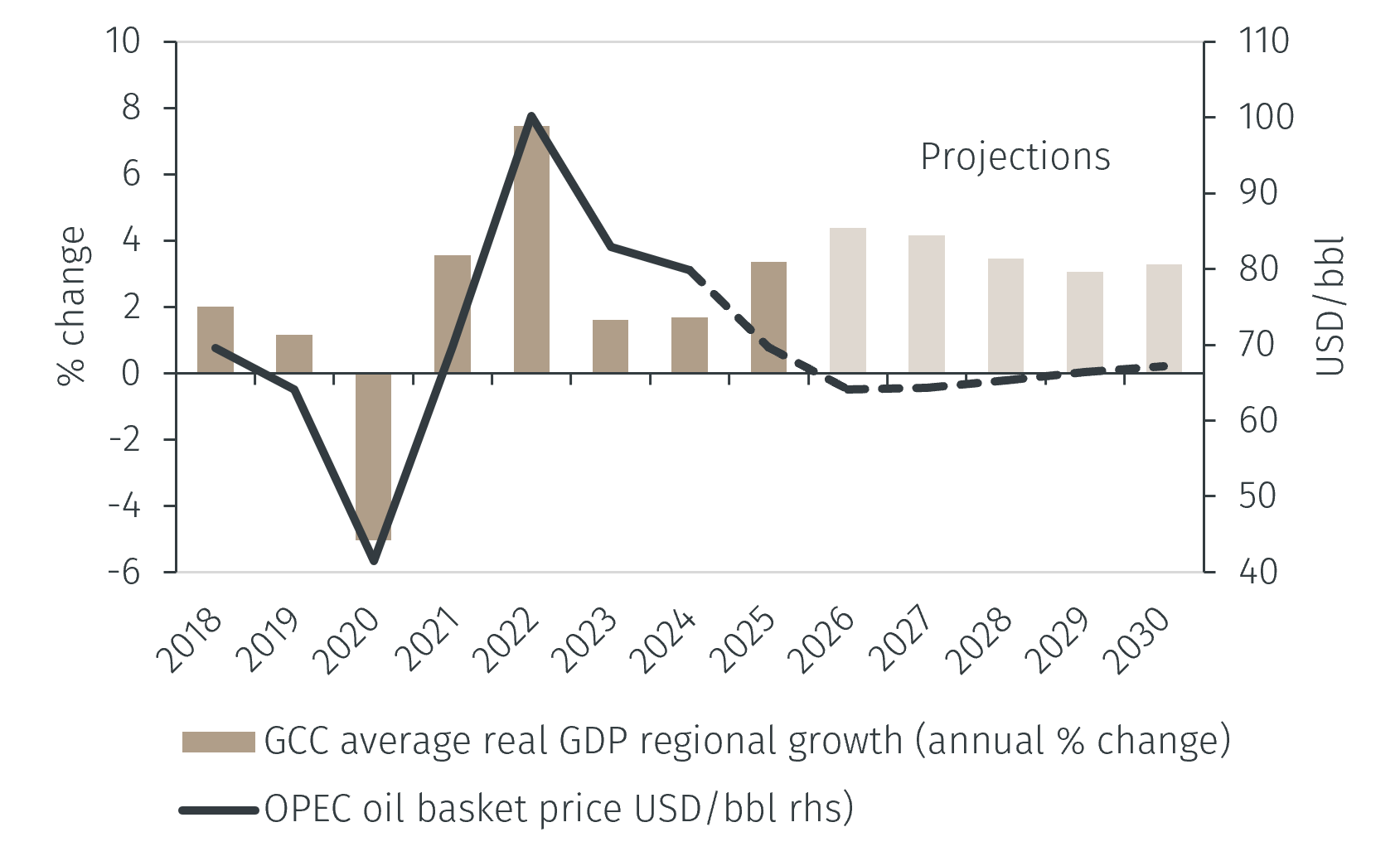
How Regional Economic Diversification Drives 2026 Growth
In the Middle East's monetary landscape, the plain contrast between its 2 biggest markets, Saudi Arabia and the United Arab Emirates (UAE), is ending up being progressively pronounced. This divergence is highlighted by the varying year-to-date performances of their primary equity indices. Saudi Arabia's primary index has actually seen a decline of over 8%, matching the slide in Brent crude rates, while stocks in the UAE are delighting in a robust rally, with Dubai's benchmark index climbing around 18% and Abu Dhabi's index increasing almost 10%.
In Dubai, apartment costs have skyrocketed by an astonishing 122% over the previous 5 years, as reported by Deutsche Bank, with rental expenses rising by almost 50%. This buoyancy is fuelling the pipeline for initial public offerings (IPOs), with many property-linked companies, consisting of contractors and online property platforms, preparing to go public.
These have actually assisted resolve investor concerns that lingered after a series of underwhelming debuts in late 2024. In an interview, a market executive highlighted the growing local demand and the Middle East's emergence as a feasible choice for business looking for to list: "We have the best level of demand, the ideal level of rates, and the deals are performing well in the aftermarket." On the other hand, in Saudi Arabia, the area's busiest IPO center with over $3 billion raised this year, market belief has actually somewhat cooled.

Latest Posts
Top Foreign Capital Trends across the Middle East Economy
Key Stock Capital Strategies for Regional Growth
Dynamic Middle East Equity Market Cycles to Watch