All Categories
Featured
Table of Contents
Capital flows into the GCC have actually been on the increase over the last few years. In the last few years, foreign direct investment Gulf reached an all-time high as federal governments went full steam ahead with their infrastructure, tidy energy, transport passages, and advanced production zone jobs. This likewise reflects wider foreign financial investment patterns in Gulf region 2026.
Simply by their moves, they have become a beacon for global investors seeing that the region is committed to long-lasting economic transformation. A number of these programs connect directly to significant Gulf infrastructure projects. These brand-new markets, away from oil, can be beside none in regards to returns for those venturing into them with a long-lasting view and exploring Gulf investment opportunities that continue to broaden in scope.
Enhancing Transparency in the UAE Real Estate Investment MarketBarely any growth comes without its own set of issues. The Gulf economies 2026 are still oil-dependent and vulnerable to market variations. Federal government budgets and advancement plans will be under heavy pressure if oil prices remain low for a long time. While some nations have accomplished fantastic turning points in their financial reform journeys, others are still delicate and need to tread thoroughly.
This is an area where GCC diversification impact on investors 2026 becomes more noticeable. Diversification likewise differs from one part of the region to another. The big economies like Saudi Arabia and the UAE are advancing rapidly, whereas the small members of the GCC may still be at the starting point.
Besides, the investor's picture is not complete without thinking about the issues of geopolitical uncertainty and worldwide macroeconomic shifts. The trade wars, energy shifts, and modifications in international need can affect capital flows into and out of the Gulf. This ties carefully to geopolitical risks Gulf, which are never far from tactical assessments.
Top International Investment Avenues for the GCC Region
These are the real development motorists that are emerging, and they are electrifying websites for the investors who prefer to be exposed to non-hydrocarbon activities. These advancements feed into more comprehensive Middle East financial patterns 2026 and shape what financiers must view in Gulf economies 2026. Modifications in policy concerning foreign ownership, financial investment rewards, and trade regulations will be the main aspects that influence the business environment.
Oil remains a crucial earnings source for lots of Gulf states. Watch need patterns, OPEC plus choices and product cycles. Even with rising non oil sectors, energy costs still affect everything from fiscal spending plans to market liquidity. Steady currencies are among the primary functions of lots of Gulf economies 2026. The rate of inflation has actually been kept at a moderate level for the many part.
Enhancing Transparency in the UAE Real Estate Investment MarketThe area, which was primarily based on oil incomes, is now gradually changing into a varied economic landscape with numerous engines of development. The GCC economic outlook is intense due to the expansion of non-oil sectors, constant reform efforts, and increasing foreign investment. This is supported by stable foreign financial investment patterns in Gulf region 2026.
Although the threats have actually not disappeared, prudent decision making will assist bring to light the strong capacity for returns connected to growing Gulf investment opportunities. Check out More Blog Site: Click Here.
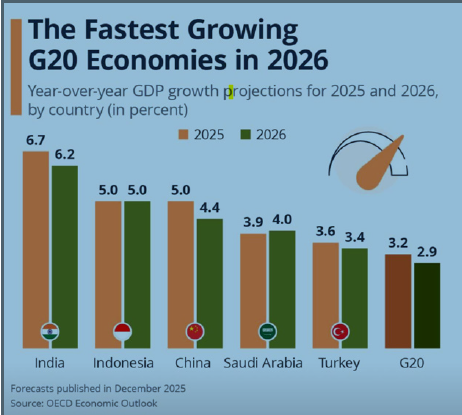
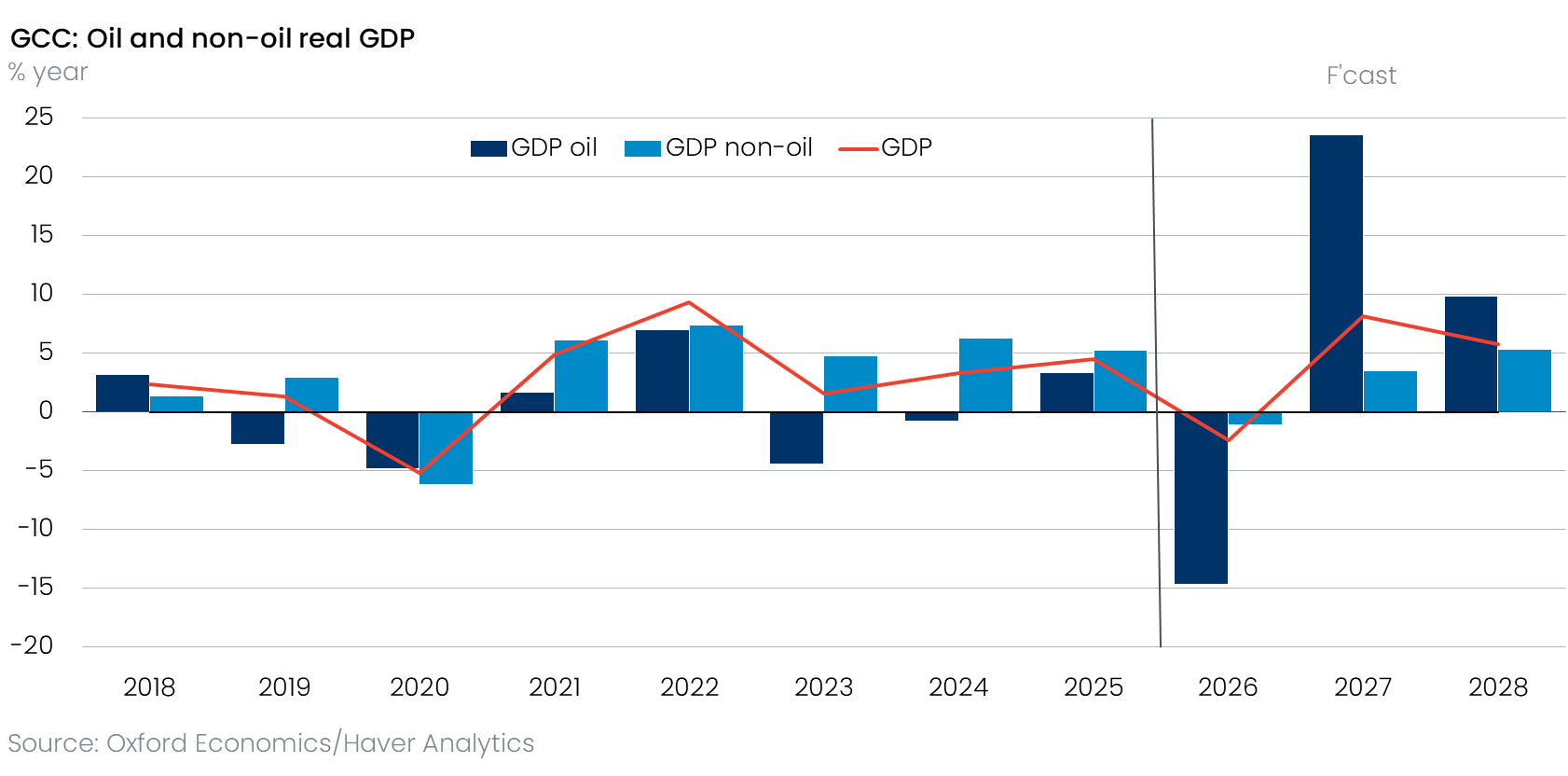
RIYADH: Economies across the Gulf Cooperation Council are anticipated to grow 4.4 percent in 2026, speeding up to 4.6 percent in 2027, driven by rising non-oil activity in countries including Saudi Arabia, according to an analysis. In its International Economic Prospects report, the World Bank stated the Kingdom's real gdp is projected to grow 4.3 percent in 2026 and 4.4 percent in 2027, up from an expected 3.8 percent in 2025.
Key International Investment Avenues for the GCC Region
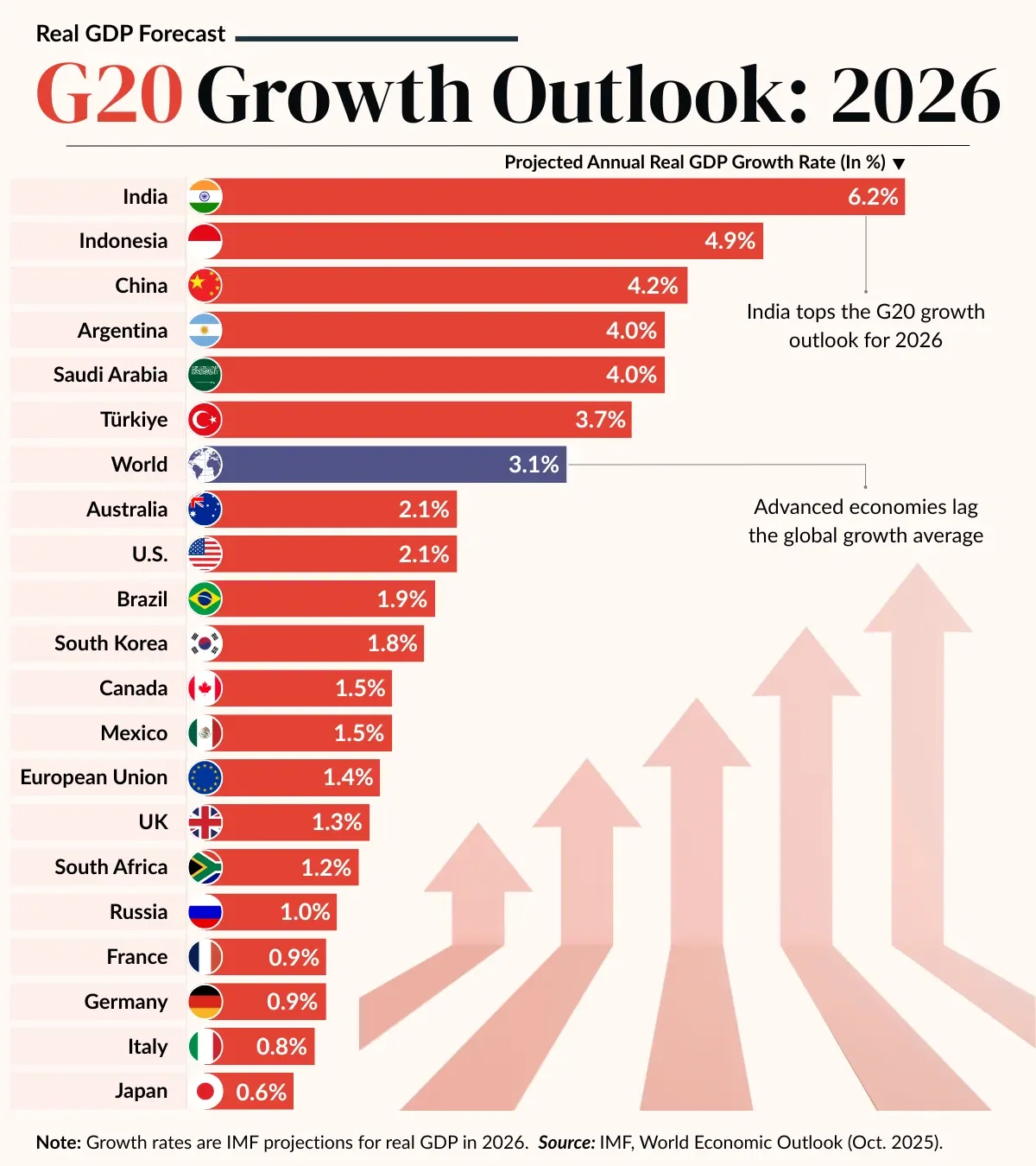
The World Bank's newest forecast broadly lines up with the International Monetary Fund's October outlook, which predicts Saudi Arabia's GDP to grow by about 4 percent in both 2025 and 2026. In its newest report, the World Bank said: "Growth in GCC nations is anticipated to increase to 4.4 percent in 2026 and 4.6 percent in 2027, mainly showing a steady growth of non-hydrocarbon activity, in addition to a more increase in hydrocarbon production." It added: "The fortifying of non-hydrocarbon activity accounting for more than 60 percent of GCC nations' total GDP is projected to be supported by expected large-scale financial investments, consisting of in Kuwait and Saudi Arabia." Broadening the non-oil sector stays a core objective of Saudi Arabia's Vision 2030 agenda, as the Kingdom continues efforts to decrease its long-standing dependence on unrefined incomes.
The region, which was primarily reliant on oil earnings, is now slowly transforming into a varied economic landscape with numerous engines of growth. The GCC economic outlook is intense due to the expansion of non-oil sectors, continuous reform efforts, and rising foreign investment. This is supported by steady foreign investment trends in Gulf area 2026.
The risks have actually not disappeared, prudent decision making will help bring to light the strong potential for returns linked to growing Gulf financial investment chances. Check out More BLog: Click Here.
RIYADH: Economies throughout the Gulf Cooperation Council are forecast to grow 4.4 percent in 2026, accelerating to 4.6 percent in 2027, driven by increasing non-oil activity in countries consisting of Saudi Arabia, according to an analysis. In its Worldwide Economic Prospects report, the World Bank stated the Kingdom's real gdp is projected to grow 4.3 percent in 2026 and 4.4 percent in 2027, up from an expected 3.8 percent in 2025.
Accelerating Industrial Success via Global Diversification
The World Bank's most current forecast broadly aligns with the International Monetary Fund's October outlook, which projects Saudi Arabia's GDP to grow by about 4 percent in both 2025 and 2026. In its most current report, the World Bank stated: "Development in GCC nations is anticipated to increase to 4.4 percent in 2026 and 4.6 percent in 2027, generally showing a steady growth of non-hydrocarbon activity, in addition to a more increase in hydrocarbon production." It added: "The conditioning of non-hydrocarbon activity accounting for more than 60 percent of GCC countries' overall GDP is predicted to be supported by anticipated large-scale investments, including in Kuwait and Saudi Arabia." Broadening the non-oil sector remains a core objective of Saudi Arabia's Vision 2030 agenda, as the Kingdom continues efforts to reduce its long-standing dependence on crude incomes.

Latest Posts
Top Foreign Capital Trends across the Middle East Economy
Key Stock Capital Strategies for Regional Growth
Dynamic Middle East Equity Market Cycles to Watch