All Categories
Featured
Table of Contents

Browsing 2026 Regulatory Changes in Middle East Business Hubs
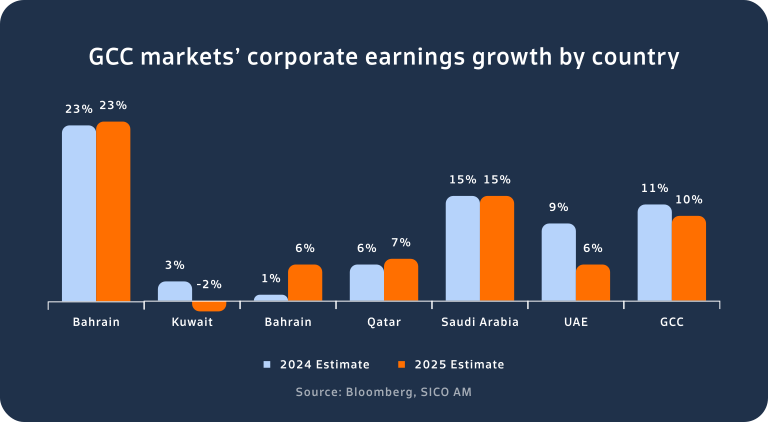
The financial environment in 2026 for Qatar and Oman shows a period of high-speed adjustment. Both countries have actually moved beyond easy oil dependence, developing complex regulatory systems that demand accurate functional management. For businesses running in these Gulf markets, staying compliant no longer suggests simply following standard rules. It needs a positive technique that prepares for shifts in labor laws, tax requirements, and foreign investment limits. By mid-2026, the difference in between effective enterprises and struggling ones often comes down to how successfully they handle these administrative updates.
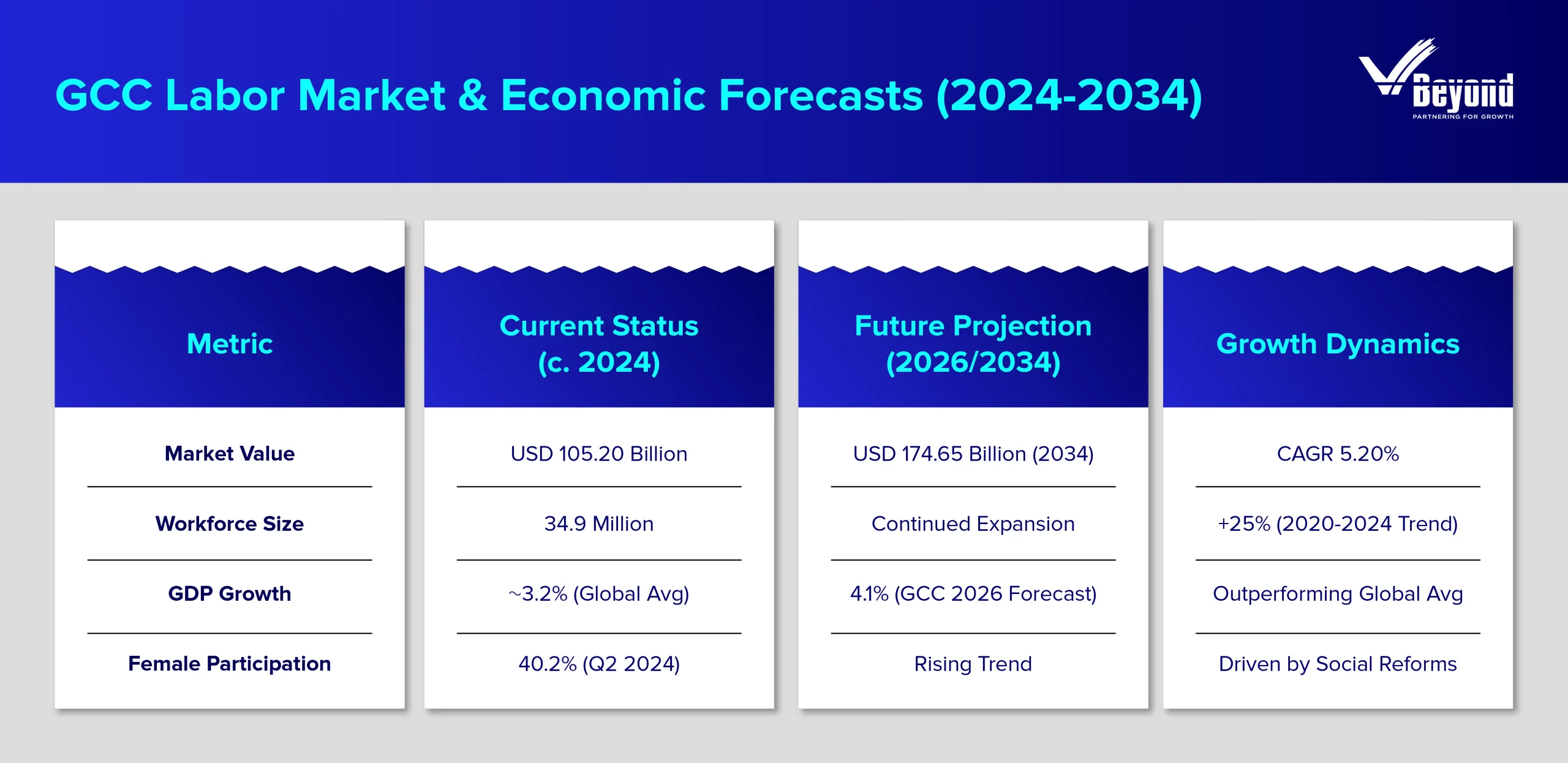
In Qatar, the focus has shifted towards improving the labor reforms initiated previously in the years. The 2026 updates have actually presented more particular requirements for staff member housing standards and insurance coverage. These modifications belong to a more comprehensive effort to preserve the nation's status as a top-tier destination for international talent. Companies that neglect these subtle changes deal with stiff penalties, however those that incorporate them into their core operations find a more stable workforce. Keeping a concentrate on Tier-II Tech Centers has actually become a standard approach for making sure that these labor requirements are met without interrupting everyday output.
Oman has taken a similar path with its Vision 2040 milestones, particularly regarding the "Omanisation" targets for 2026. The government has actually launched brand-new lists of professions reserved specifically for Omani nationals, especially in technical and middle-management functions. For foreign companies in the local capital, this necessitates a change in recruitment and training. Rather of looking abroad for every single specialist function, businesses are establishing internal training programs to help local personnel fulfill the essential certifications. This shift is not just about compliance; it is about building a sustainable existence in a market that focuses on local growth.
Handling Business Operations Under New Ownership Rules
Ownership guidelines in both Qatar and Oman have actually seen substantial loosening by 2026. Qatar now enables 100% foreign ownership in almost all sectors, including banking and insurance coverage, offered particular capital requirements are satisfied. This has actually resulted in an influx of international competitors, making the marketplace more crowded. Businesses currently on the ground must improve their operational quality to remain ahead. The focus is no longer just on entering the marketplace however on how to run a business efficiently enough to take on brand-new, nimble entrants.
Oman has presented the Foreign Capital Investment Law (FCIL) updates for 2026, which streamline the licensing process for new ventures. This ease of entry comes with stricter reporting requirements. Every company needs to now supply in-depth quarterly reports on their ecological and social impact. This is where many businesses battle. Moving from a conventional reporting design to a modern-day, data-driven method is a difficulty. Organizations that focus on Tier-II Tech Centers discover that they can automate much of this reporting, reducing the threat of errors and government fines.
The tax environment is another location where 2026 has brought significant changes. Following the regional trend towards corporate tax, both nations have clarified their stances on the OECD's global minimum tax. While Oman and Qatar maintain competitive rates, the paperwork required to show tax compliance has ended up being much more requiring. Companies need to track every deal with a level of information that was not required 5 years ago. This level of analysis applies to both large corporations and the consulting services sector, where cross-border deals prevail.
Improving Operational Excellence in the Regional Market
Functional quality in 2026 is defined by how well a business deals with the crossway of innovation and regulation. In Muscat and Doha, federal government websites have actually approached total digitization. Paper-based applications are essentially outdated. To thrive, a service should guarantee its internal systems work with these federal government interfaces. This "digital-first" compliance indicates that HR, accounting, and logistics information ought to flow efficiently into the essential regulatory containers without manual intervention.
Supply chain transparency has likewise become a necessary requirement. In Oman, brand-new laws in 2026 need companies to veterinarian their secondary and tertiary providers for ethical labor practices. This mirrors international patterns but includes specific local twists related to regional trade contracts. Business are now responsible for the actions of their partners. If a provider fails to fulfill Omani requirements, the main organization can be held accountable. This has forced a total overhaul of procurement methods, with a preference for local, pre-verified vendors.
Qatar's focus on the 2026 National Vision highlights the "Understanding Economy." This equates to considerable incentives for companies included in research and development. Nevertheless, to access these rewards, services must go through a strenuous audit of their intellectual home and training spend. This is not a basic "check the box" exercise. It includes a deep review of how the business adds to the regional economy. Businesses that can show their worth through clear, verifiable information are the ones receiving the most government assistance.
Future-Focused Techniques for the Local Province
Looking towards completion of 2026, the combination of ESG (Environmental, Social, and Governance) concepts into local law is the most considerable trend. This is no longer a voluntary choice for PR purposes. In Qatar, certain sectors like building and construction and production now have compulsory carbon reporting. These reports are connected to the renewal of commercial licenses. This modification forces companies to look at their energy use and waste management as a core monetary concern rather than a secondary functional concern.
In Oman, the focus is on "In-Country Value" (ICV) By 2026, the ICV program has broadened from the oil and gas sector to consist of tourism and logistics. This implies that a part of a business's spend must stay within the Omani economy to get approved for federal government agreements. For lots of companies, this has meant changing their entire company design. They are moving from importing completed goods to performing assembly or fundamental production within the country. While this requires preliminary financial investment, it protects business from future regulatory shifts that might even more limit imports.
Innovation helps bridge the gap between these new laws and everyday work. In the regional area, lots of companies are using specialized software to track their ICV score in real-time. This permits them to adjust their costs practices before an audit happens. It also provides a clear image of where the business stands regarding local employing targets. Being proactive in this method avoids the panic that frequently occurs when license renewal due dates technique.
Adapting to Digital ID and Privacy Laws
Data privacy has become a significant talking point in the 2026 company world. Both Qatar and Oman have actually upgraded their individual data defense laws to align more carefully with global requirements like GDPR. This affects every company that handles client information, from small sellers to big financial firms. The penalties for information breaches are now considerable, and the definition of a breach has broadened to include the unauthorized sharing of data with 3rd celebrations outside the nation.
The introduction of combined digital IDs in both countries has streamlined some elements of company. Verification of identities for contracts or banking is faster than it was in previous years. It likewise suggests that the government has a clearer view of business activities. There is more openness, which lowers the possibility of "shadow" business operations. Companies that have traditionally run with loose administrative controls are discovering it hard to remain under the radar in this brand-new, transparent environment.
Success in 2026 needs a shift in frame of mind. Compliance must not be considered as a concern or a series of difficulties to leap over. Rather, it is the base layer of an effective organization method. Business that build their operations around these rules, rather than looking for methods around them, end up with more resilient service models. They are much better gotten ready for the next round of modifications and are more attractive to regional partners and worldwide financiers alike.
By focusing on internal training, digital integration, and transparent reporting, companies in Qatar and Oman can turn regulative shifts into an advantage. The objective is to be so well-aligned with national visions that the service becomes a natural partner in the nation's growth. As 2026 continues to bring new updates, those who have actually invested the last few years preparing their infrastructure will be the ones who lead their respective industries into the next years.
The shift to a more regulated, transparent, and digital economy is well underway. For a company in the local market, the course forward involves continuous tracking of federal government decrees and a determination to alter old practices. The winners in the 2026 economy are those who treat operational quality as a daily practice, guaranteeing that every part of the organization is ready for whatever the next regulatory shift may be. This preparedness is what specifies a mature business in the modern Middle East.

Latest Posts
Top Foreign Capital Trends across the Middle East Economy
Key Stock Capital Strategies for Regional Growth
Dynamic Middle East Equity Market Cycles to Watch