All Categories
Featured
Table of Contents
- – Shift towards Decentralized Development in Sau...
- – Regulative Navigation and Licensing Requirements
- – Functional Excellence in the 2026 Labor Market
- – Digital Facilities and Supply Chain Logistics
- – Localization of Services And Products
- – Strategic Collaborations and Joint Ventures
- – Financial Preparation and Tax Considerations
- – Sustainability and Ecological Governance
- – Adjusting to the Speed of the 2026 Economy

Shift towards Decentralized Development in Saudi Arabia
The financial environment in 2026 reflects a considerable departure from the centralized models of the past. While significant cosmopolitan areas continue to attract financial investment, the present pattern prefers the advancement of specialized company centers in areas such as regional economic zones. This approach decentralization belongs to a more comprehensive strategy to disperse wealth and commercial capability across the various provinces. Organizations getting in the market this year discover that the competitors in main cities has actually increased operational costs, making the specialized zones in the surrounding regions progressively appealing for new ventures.Market entry in 2026 requires more than simply a presence in the capital. It demands a granular understanding of how regional municipalities handle their particular commercial goals. Each province has actually established its own identity, focusing on sectors like renewable resource, logistics, or specialized production. Business that align their entry technique with these local specializations tend to discover more beneficial regulatory assistance and a more focused pool of skill. The focus has actually shifted from general market coverage to accomplishing operational excellence within a particular niche that serves both regional need and export potential.
Regulative Navigation and Licensing Requirements
Getting in the Saudi market in 2026 includes browsing a structured but extensive regulatory framework handled primarily through the Ministry of Financial investment. The Regional Head Office (RHQ) program is now fully mature, and its requirements affect how foreign entities structure their operations. For those taking a look at the local market, the choice between a limited liability company or a branch workplace depends heavily on the intended scope of work and the desire to take part in government procurement.Specific attention should be paid to the updated regional content requirements, often referred to as the Saudi Material (SDR) scores. In 2026, these ratings are a main consider winning contracts. Companies should show how they contribute to the local economy through hiring, local sourcing, and domestic capital investment. Many companies find that Seamless AI Implementation Services provides the essential information for risk evaluation and ensures alignment with these scoring systems. Failure to fulfill these benchmarks can restrict a business's ability to scale, even if their product and services is superior to competitors.
Functional Excellence in the 2026 Labor Market
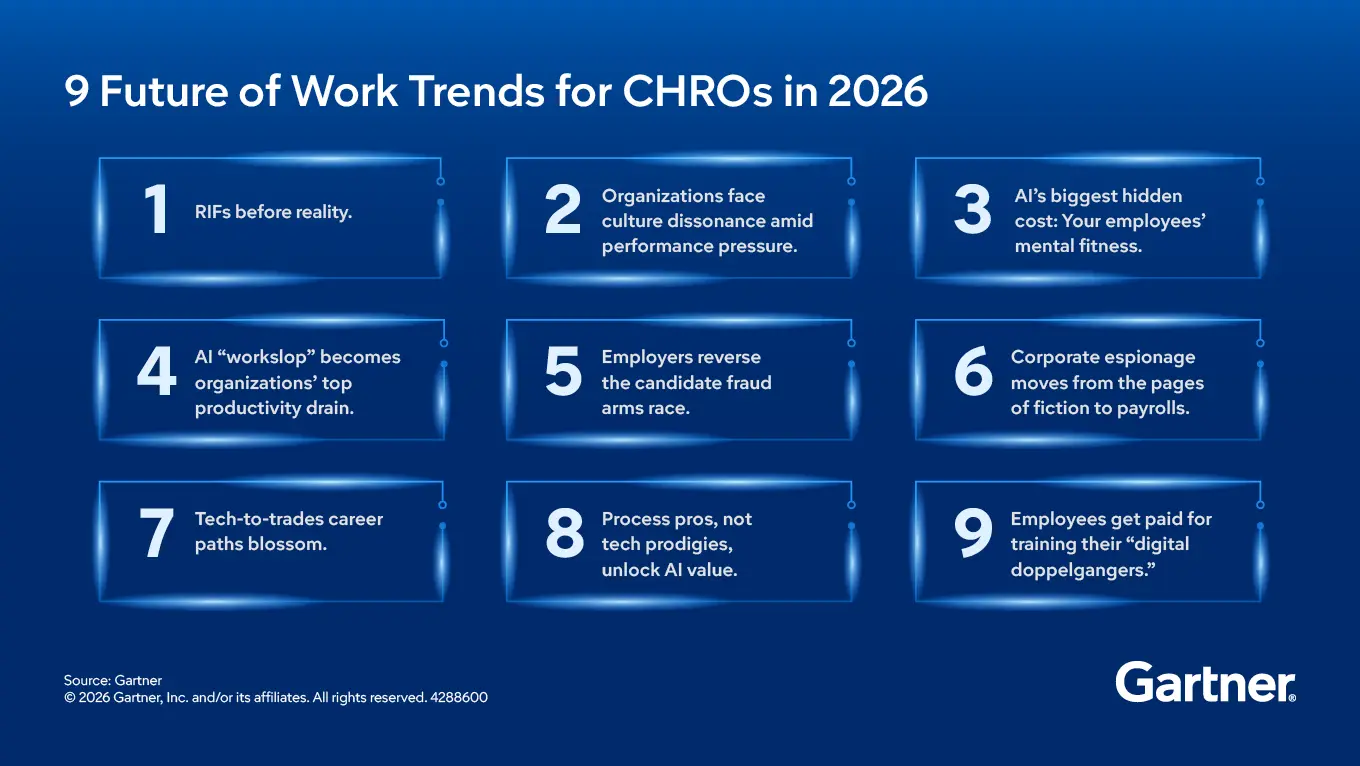
The labor market in 2026 is defined by an extremely proficient, young Saudi labor force that has taken advantage of years of specialized trade training programs. The Nitaqat system, which governs the employment of Saudi nationals, stays a central pillar of operational preparation. Nevertheless, the focus has actually moved beyond easy compliance towards top quality job development. Companies in the regional hub are now evaluated on their ability to supply career progression and technical training rather than simply satisfying mathematical quotas.Operational excellence in this context implies integrating Saudi talent into every level of the company, including middle and senior management. This combination helps bridge cultural spaces and provides insights into regional consumer habits that expatriate personnel may neglect. Recruiters in 2026 are significantly focusing on soft abilities and adaptability, as the pace of technological change needs a workforce that can pivot between various digital platforms and management designs. Managing this human capital successfully is typically what separates effective market entrants from those who have a hard time to keep consistency.
Digital Facilities and Supply Chain Logistics
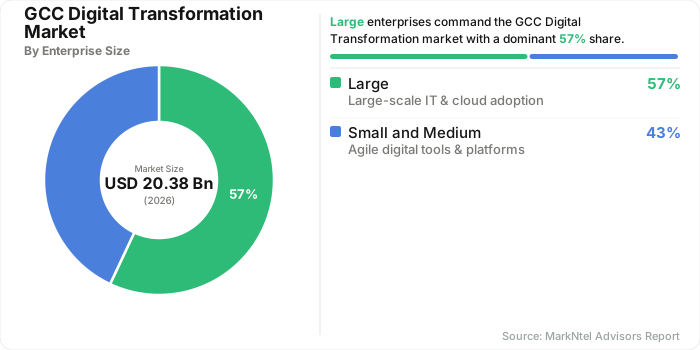
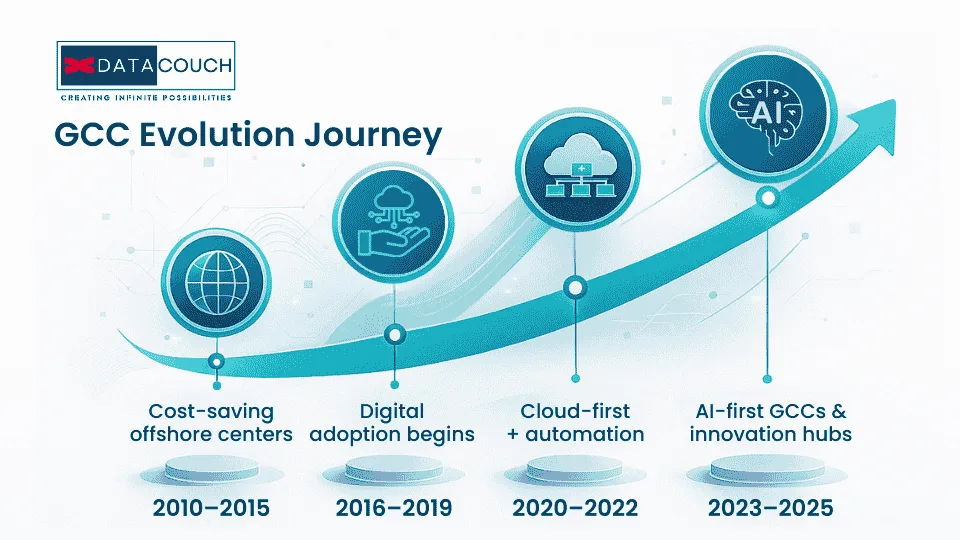
The physical and digital facilities in the western provinces has actually reached a level of maturity that supports high-speed commerce. By 2026, 5G and early 6G networks are standard throughout all major industrial zones, allowing real-time tracking and automated logistics. For a service setting up in the local district, these advancements mean that supply chain management is more foreseeable than it was just a couple of years ago. The combination of the Saudi Land Bridge task and expanded port capabilities has actually reduced lead times for imported components significantly.Success frequently depends upon specific knowledge of AI Implementation to navigate local requirements and enhance the movement of goods. Business are moving away from centralized warehousing in favor of dispersed centers that sit closer to the end consumer. This method lowers the last-mile shipment expenses which had formerly been a pain point in the vast location of the Kingdom. In 2026, making use of predictive analytics for inventory management is no longer a high-end but a requirement for maintaining the margins necessary to take on recognized local players.
Localization of Services And Products
One common error for global firms is presuming that a global product will fit the Saudi market without adjustment. In 2026, the Saudi consumer is highly discerning and anticipates products to show regional tastes, climate conditions, and cultural worths. This is especially real in the provincial centers, where standard worths typically intersect with modern consumption habits. Personalization and localization are the main chauffeurs of brand loyalty in the current economy.This localization extends to marketing and interaction. Standardized international projects rarely resonate along with those that use regional dialects, images, and references to regional landmarks within the relevant province. Organizations that purchase regional style teams or seek advice from regional specialists find that their time-to-market is shorter and their initial reception is more favorable. The goal is to look like a local partner that understands the subtleties of the community rather than an outside entity imposing a foreign design.
Strategic Collaborations and Joint Ventures
While 100% foreign ownership is available in numerous sectors, the worth of a tactical local partner stays high in 2026. A partner in the local area can provide immediate access to established networks and a deeper understanding of the casual business culture that still contributes in decision-making. These partnerships are typically structured as joint endeavors where the foreign entity provides the innovation and procedures while the regional partner offers the marketplace access and regulatory expertise.Due diligence is more vital than ever. In 2026, the transparency of business records has improved, but verifying the performance history and track record of a possible partner requires boots-on-the-ground research. The legal framework for joint ventures has been updated to offer much better protection for copyright, which was a significant concern for tech firms in previous years. Making sure that the partnership is built on shared objectives and a clear division of obligations is the foundation of long-term stability in the Middle East.
Financial Preparation and Tax Considerations
The fiscal environment in 2026 is identified by a balance between appealing rewards and a standardized tax program. While Business Income Tax uses to foreign shares in a business, Zakat is suitable to the Saudi part. Comprehending the interplay in between these 2 is important for accurate monetary forecasting. Companies running in the nearby economic cities might likewise receive tax holidays or customizeds exemptions if they are situated within unique financial zones.VAT remains a consistent part of the transactional landscape, and the e-invoicing requirements introduced years ago are now fully incorporated into every organization system. Financial functional excellence needs a "digital-first" method to accounting to guarantee real-time compliance with the Zakat, Tax and Customs Authority (ZATCA) Companies that keep clean, transparent digital records find it a lot easier to repatriate earnings and manage audits without interrupting their day-to-day operations.
Sustainability and Ecological Governance
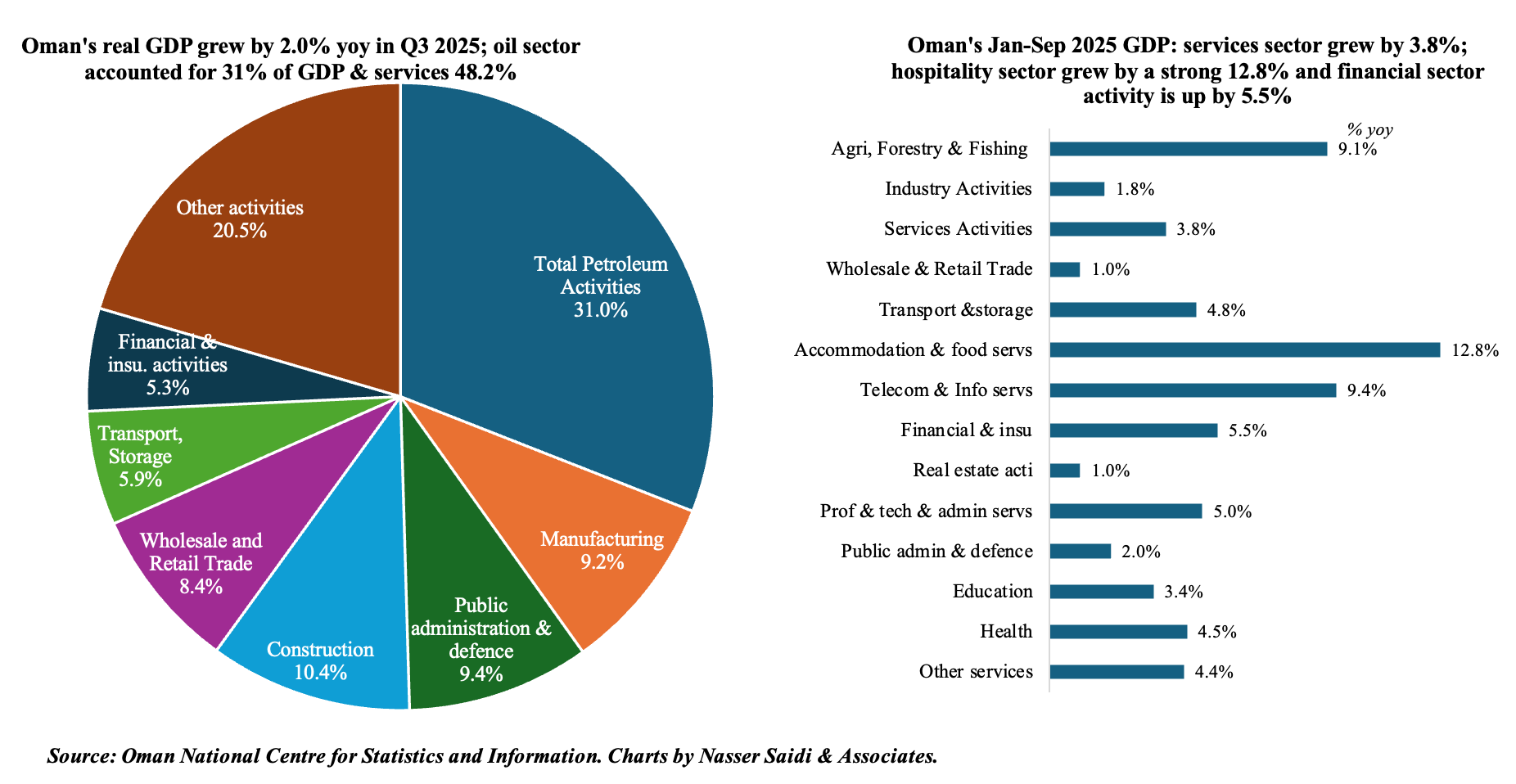
By 2026, ecological, social, and governance (ESG) standards have actually become a necessary part of business discussion in Saudi Arabia. The Kingdom's dedication to net-zero targets has dripped down to the business level, where business in the region are expected to report on their carbon footprint and water use. This is not simply a branding workout but an element in obtaining financing from local banks and attracting top-tier talent.Operations that prioritize energy effectiveness and waste reduction are typically provided preferential treatment in government tenders. In sectors like construction, hospitality, and production, the use of sustainable materials and renewable resource sources is now a competitive benefit. Business that thrive in 2026 are those that view sustainability as a core part of their operational technique rather than an afterthought. This alignment with national goals ensures that business stays pertinent as the economy continues its transition away from oil reliance.
Adjusting to the Speed of the 2026 Economy

The pace of company in 2026 is much faster than ever. Decision-making cycles have compressed, and the expectation for digital responsiveness is high. For a company getting in the market, this indicates that local management groups need to be empowered to make choices without waiting on approval from an international headquarters in a different time zone. Agility is a specifying characteristic of effective companies in the current Middle East economy.The entry techniques that work today are those that combine international requirements with deep local integration. Whether it is through the usage of innovative logistics or the advancement of a localized workforce, the emphasis is on creating a sustainable presence that adds to the development of the local province. As the 2026 economic calendar progresses, the opportunities within these emerging centers continue to expand for those who approach the market with a long-term view and a dedication to functional excellence.

Table of Contents
- – Shift towards Decentralized Development in Sau...
- – Regulative Navigation and Licensing Requirements
- – Functional Excellence in the 2026 Labor Market
- – Digital Facilities and Supply Chain Logistics
- – Localization of Services And Products
- – Strategic Collaborations and Joint Ventures
- – Financial Preparation and Tax Considerations
- – Sustainability and Ecological Governance
- – Adjusting to the Speed of the 2026 Economy
Latest Posts
Top Foreign Capital Trends across the Middle East Economy
Key Stock Capital Strategies for Regional Growth
Dynamic Middle East Equity Market Cycles to Watch
Latest Posts
Top Foreign Capital Trends across the Middle East Economy
Key Stock Capital Strategies for Regional Growth
Dynamic Middle East Equity Market Cycles to Watch