All Categories
Featured
Table of Contents
- – Evolution of Operational Partnerships in regio...
- – Advanced Automation and the Human Component in...
- – Information Sovereignty and Compliance in the ...
- – The Shift Toward Niche Expertise
- – Managing the Hybrid Workforce in local markets
- – Sustainability and Social Responsibility in O...
- – Outcome-Based Metrics and the 2026 ROI
- – The Role of Regional Talent in the Gulf region
- – Future Outlook for Middle Eastern Operational ...
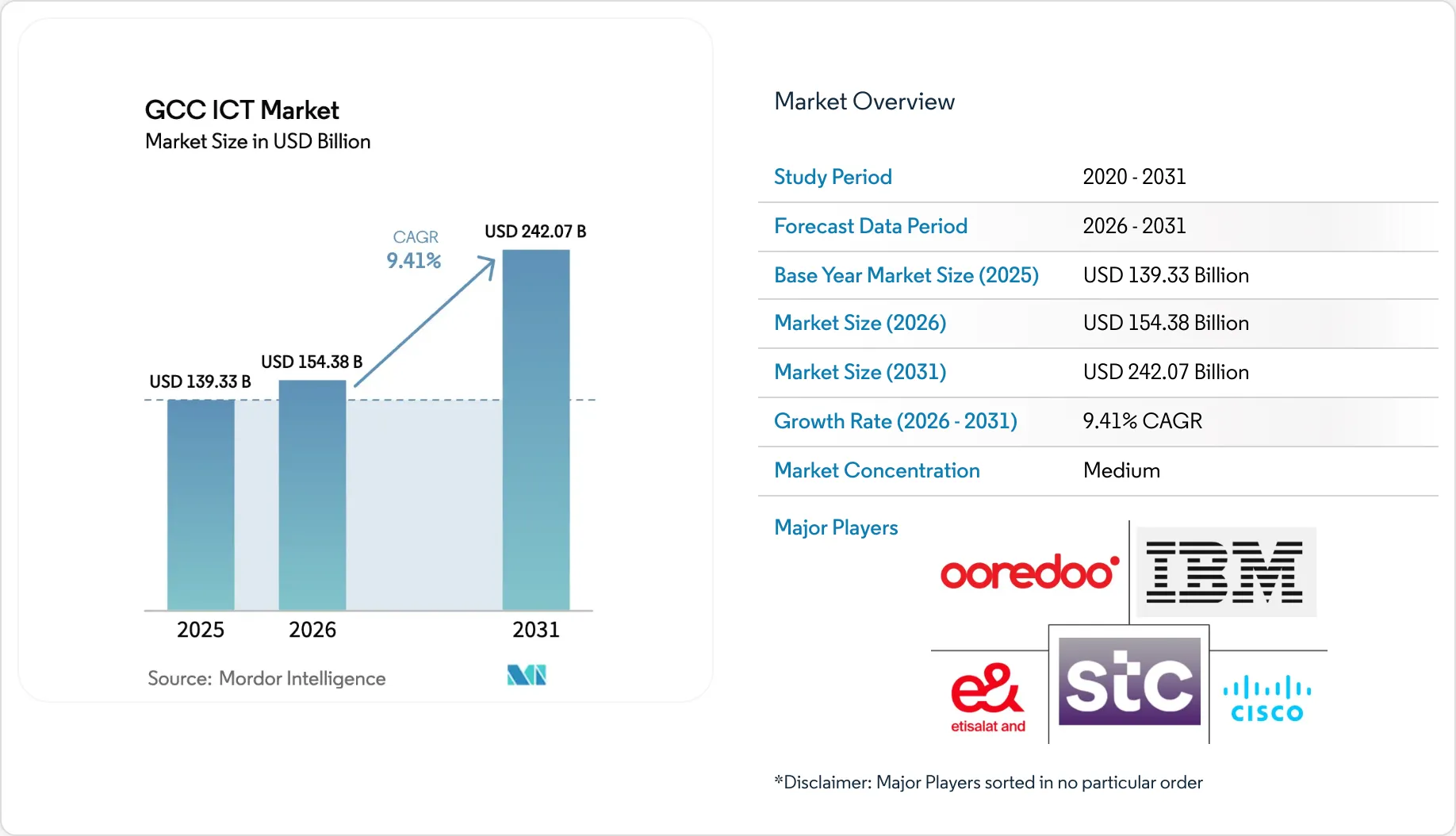

Evolution of Operational Partnerships in regional business centers

The corporate environment in 2026 has moved previous basic labor alternative. For several years, companies throughout the Gulf Cooperation Council (GCC) saw outsourcing as a way to cut payroll expenses. Today, the focus has actually shifted towards protecting specialized capabilities that are challenging to build internal. This change shows a broader maturity in the local economy where speed and technical accuracy identify market share. Organizations in the Middle East now treat external companies as extensions of their own teams, sharing both risks and rewards through outcome-based contracts.Efficiency in 2026 is specified by how well a business can adjust to sudden market shifts. Large enterprises typically discover that internal departments are too stiff to pivot quickly when new policies or innovations emerge. By working with specific firms, these organizations gain access to a pool of skill that remains existing with global patterns. This is especially apparent in technical management where the speed of change overtakes traditional employing cycles. Rather of spending months hiring and training, businesses utilize established collaborations to release specialists right away.
Advanced Automation and the Human Component in 2026
Device learning and automated workflows have become standard across the regional private sector. In 2026, the discussion is no longer about whether to automate, however how to do so without losing the human touch required for complicated decision-making. Strategic outsourcing designs now stress a "human-in-the-loop" technique. This guarantees that while repeated jobs are handled by software, nuanced issues are escalated to knowledgeable specialists. Lots of companies discover that competence in Digital Capability Strategy provides the essential balance between algorithmic speed and human oversight.The integration of AI into outsourced functions has also altered how agreements are structured. In previous years, business paid for "headcount" or "hours worked." In 2026, the dominant design is "per-transaction" or "value-based" rates. This forces suppliers to maximize their own performance. If a partner can deal with a customer issue or process a claim using innovative tools in half the time, they remain lucrative while the customer take advantage of faster outcomes. This alignment of interests has lowered the friction typically discovered in traditional supplier relationships.
Information Sovereignty and Compliance in the local territory
Regional data laws have ended up being considerably more strict in 2026. Governments throughout the GCC now require that delicate info stays within nationwide borders, producing a surge in need for local information centers and "onshore" contracting out alternatives. Companies running in the metropolitan area needs to ensure their partners abide by these residency requirements. This has actually caused the rise of local specialists who comprehend the particular legal requirements of the Middle East, using a level of security that international giants sometimes struggle to provide.Security is no longer a different department but a core function of every service agreement. With the increase in interconnected systems, a vulnerability in a third-party company can expose the entire moms and dad business. Subsequently, the choice procedure for digital service providers includes deep technical audits and continuous monitoring. Companies are looking for strong performance history in information defense before they even begin price negotiations. Trust has actually ended up being the main currency in the 2026 B2B market.
The Shift Toward Niche Expertise
Generalist providers are losing ground to boutique firms that concentrate on specific verticals. In 2026, a business in the region is more likely to employ a company that only deals with logistics for the energy sector rather than an enormous corporation that does whatever. This specialization permits a much deeper understanding of industry-specific difficulties. For instance, in the world of professional operations, a specific niche company currently understands the regulatory difficulties and technical standards, saving the client months of onboarding time.Strategic financial investments in Custom Digital Capability Strategy have become a typical method for mid-sized firms to contend with bigger competitors. By contracting out customized functions, smaller sized companies can access the same level of technology and talent as billion-dollar corporations. This has leveled the playing field in numerous industries, permitting agile start-ups to challenge established players by keeping low overhead while delivering top quality outputs.
Managing the Hybrid Workforce in local markets
The 2026 labor force is a mix of full-time workers, freelancers, and outsourced teams. Managing this hybrid structure requires a different set of management skills than the traditional office-based model. Success depends upon clear interaction and making use of collective tools that bridge the space in between various areas. Companies in the local economy are investing heavily in management training to guarantee their internal leaders can successfully manage external partners.One of the most significant obstacles in this hybrid model is maintaining a consistent company culture. When a significant part of the work is done by individuals who do not sit in the primary office, there is a risk of misalignment. To counter this, many organizations now include their outsourced partners in the area halls and strategy sessions. This inclusive approach guarantees that everybody, no matter their employment status, understands the long-term objectives of business.
Sustainability and Social Responsibility in Outsourcing

By 2026, ecological and social governance (ESG) has actually moved from a marketing talking indicate a legal requirement in lots of parts of the GCC. Companies are held liable for the carbon footprint and labor practices of their entire supply chain, including their contracting out partners. This implies that a service provider in the surrounding region should show they use eco-friendly energy and follow reasonable labor standards to win contracts.This focus on sustainability has actually caused the "Green Outsourcing" motion. Providers now compete on their energy effectiveness scores as much as their technical abilities. For a business in the local market, selecting a sustainable partner is not just about principles-- it is about threat management. As carbon taxes and ecological regulations tighten up, having a "tidy" supply chain prevents future monetary penalties and reputational damage.
Outcome-Based Metrics and the 2026 ROI
Determining the success of an outsourcing engagement has actually altered. In the past, managers looked at simple metrics like "tickets closed" or "uptime." In 2026, the focus is on business results. Does the collaboration result in higher client retention? Has it reduced the time-to-market for brand-new products? These are the concerns being asked by boards of directors in the local business community. The use of real-time dashboards enables immediate visibility into efficiency. If a supplier's output dips, it is observed in minutes, not throughout a quarterly evaluation. This transparency has resulted in a more honest and productive relationship in between customers and suppliers. Instead of hiding mistakes, companies are encouraged to determine problems early and suggest options. The prevailing mindset is one of partnership instead of confrontation.
The Role of Regional Talent in the Gulf region
Nationalization programs continue to affect how business structure their operations in 2026. Outsourcing is often utilized as a tool to support these objectives. By partnering with regional companies, global companies can fulfill their localization quotas while still preserving global standards. This has caused a flourishing market for home-grown company in the urban centers who employ local graduates and train them in international finest practices.These regional companies offer a bridge in between worldwide technology and regional culture. They comprehend the nuances of doing organization in the Middle East, from language requirements to social custom-mades, which global suppliers frequently ignore. For a company concentrated on specialized business functions, this regional insight can be the distinction between an effective launch and a pricey failure.
Future Outlook for Middle Eastern Operational Technique
As 2026 progresses, the line between internal and external groups will continue to blur. The most successful companies will be those that can incorporate numerous service designs into a combined whole. Whether it is using remote professionals for technical tasks or hiring local firms for customized projects, the objective stays the exact same: staying competitive in a fast-moving global economy.The 2026 economy in the regional market is specified by its capability to mix conventional values with contemporary efficiency. Outsourcing is the mechanism that enables this to occur, supplying the flexibility and knowledge required to navigate an intricate world. As long as businesses continue to focus on quality and compliance over basic cost-cutting, the partnership design will stay a cornerstone of regional success. Organizations that adapt to these new truths will find themselves well-positioned for the remainder of the decade, while those holding on to older, more rigid models may discover it increasingly challenging to keep up.

Table of Contents
- – Evolution of Operational Partnerships in regio...
- – Advanced Automation and the Human Component in...
- – Information Sovereignty and Compliance in the ...
- – The Shift Toward Niche Expertise
- – Managing the Hybrid Workforce in local markets
- – Sustainability and Social Responsibility in O...
- – Outcome-Based Metrics and the 2026 ROI
- – The Role of Regional Talent in the Gulf region
- – Future Outlook for Middle Eastern Operational ...
Latest Posts
Top Foreign Capital Trends across the Middle East Economy
Key Stock Capital Strategies for Regional Growth
Dynamic Middle East Equity Market Cycles to Watch
Latest Posts
Top Foreign Capital Trends across the Middle East Economy
Key Stock Capital Strategies for Regional Growth
Dynamic Middle East Equity Market Cycles to Watch