All Categories
Featured
Table of Contents
- – The Development of Shared Solutions in the reg...
- – Operational Excellence and Modern Innovation i...
- – The Strategic Value of centralized operations
- – Skill Management and Local Combination in the ...
- – Standardization and the Drive for Effectiveness
- – Attending To Information Residency and Security
- – The Future of Shared Services Beyond 2026

The Development of Shared Solutions in the regional market
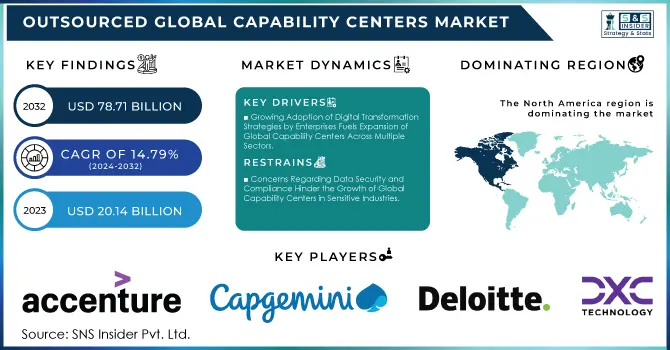
The year 2026 marks a substantial duration for business structures across the Gulf. Magnate have actually moved past the initial stage of simply centralizing functions to save cash. Today, the focus is on how these centralized units can generate value and support long-term financial goals. In areas like the surrounding region, the shift towards advanced service models is clear. Organizations are no longer content with centers that simply process invoices or handle payroll. They desire centers that offer information analytics, handle complex compliance jobs, and drive process improvement.
This change is part of a larger pattern where corporations look for to become more agile in a fast-moving economy. By 2026, the traditional shared services center (SSC) has often been rebranded as a global business services (GBS) unit. This name modification reflects a change in scope. Rather of being a back-office support function, these centers now act as strategic partners. They assist business react to market changes much faster by providing real-time data and standardized processes throughout different nations.
Operational Excellence and Modern Innovation in 2026
Technology has actually played a central role in this development. While fundamental automation was the standard a couple of years back, the environment in 2026 is specified by hyper-automation and the integration of sophisticated device learning. These tools enable centers to manage big volumes of data with very little human intervention. For example, in the local market, lots of business now focus on Tech Innovation within their operational designs to make sure that information stays precise and available across the whole enterprise.
Making use of generative AI has actually also grown. In the early 2020s, it was a novelty, however in 2026, it is a standard tool for preparing reports, responding to internal inquiries, and even predicting cash circulation patterns. This shift has actually eliminated much of the recurring work that as soon as specified shared services. Workers who utilized to invest their days getting in information now spend their time analyzing it. This has changed the hiring profile for these centers, with a higher emphasis on analytical skills and company acumen rather than just administrative efficiency.
The Strategic Value of centralized operations
One of the primary drivers for this evolution is the need for much better governance. As Gulf nations update their regulatory requirements, keeping an eye on compliance throughout numerous jurisdictions ends up being difficult. A centralized service unit supplies a single point of control. This makes it easier to implement new rules and ensure that every part of the organization follows the exact same standards. In the region, this central method has become a preferred technique for handling threat in a complicated regulative environment.
Beyond compliance, these centers are ending up being sources of insight. By 2026, the data collected by shared services is used to inform major service choices. If a company desires to expand into a new area, the SSC can provide a comprehensive analysis of labor expenses, tax ramifications, and supply chain efficiency because location. This turns the center from a cost center into a value-driver. Numerous regional leaders now search for methods to enhance their Advanced Tech Innovation Models to stay competitive in an increasingly congested market.
Skill Management and Local Combination in the Gulf
The labor market in 2026 presents both challenges and chances for shared services. Gulf countries have continued their push for nationalization in the personal sector. This indicates that centers should find methods to draw in and train regional skill. The success of a center in the local urban area frequently depends on its ability to build strong relationships with local universities and professional training programs. Business are purchasing long-lasting development programs to ensure they have a stable stream of competent employees who understand both the regional culture and worldwide service requirements.
Remote and hybrid work models have actually also ended up being long-term components by 2026. Shared services centers were as soon as big workplaces filled with hundreds of people, however today they are frequently leaner. Some functions are decentralized, while the core tactical work stays in a headquarters. This versatility has helped companies handle expenses and attract skill from throughout the region without requiring everyone to transfer. It also needs a different design of management, focusing on outcomes and outcomes rather than time spent at a desk.
Standardization and the Drive for Effectiveness
Efficiency remains a core goal, however the meaning has actually broadened. In 2026, effectiveness is not practically doing things cheaper, it is about doing them much better. Standardization is the approach used to accomplish this. When every branch of a company utilizes the exact same process for procurement or personnels, the whole company moves faster. Errors are reduced, and it ends up being a lot easier to scale operations when the service grows.
The concentrate on business support functions has caused an increase in specialized provider. Some business pick to keep their shared services in-house, while others use a hybrid model. This involves keeping tactical functions internal while moving transactional tasks to third-party providers found in the local market. This mix enables a balance between control and flexibility. By 2026, these partnerships have actually become more collaborative, with provider frequently working as an extension of the client's own team.
Attending To Information Residency and Security
Information security is a leading concern for any center operating in 2026. With the increase of digital operations, the threat of cyber risks has increased. Gulf nations have executed stringent data residency laws, requiring certain types of details to be kept within nationwide borders. Shared services centers have had to adjust by constructing localized information centers or utilizing regional cloud companies. This makes sure that they stay certified with local laws while still gaining from the efficiency of a central design.

Security is no longer just a technical problem. It is a fundamental part of the service shipment model. Clients and internal stakeholders anticipate that their data is protected by the latest file encryption and monitoring tools. Centers in the surrounding territory that can prove their security qualifications often have a competitive advantage. They are viewed as reliable partners who can be relied on with sensitive financial and personal information.
The Future of Shared Services Beyond 2026
Looking towards 2027, the trajectory for shared services in the Gulf stays upward. The region is becoming a chosen area for international companies to establish their local bases. The mix of modern-day facilities, a tactical geographic place, and a growing skill swimming pool makes it an attractive option. As the economy continues to diversify, the demand for advanced company services will only grow.
The next stage will likely involve even much deeper integration between human employees and AI. We are seeing the increase of "digital twins" for company processes, where a center can imitate a change in a procedure before actually implementing it. This minimizes danger and enables constant experimentation and enhancement. The centers that flourish will be those that embrace modification and continue to look for brand-new ways to support the wider business objectives.
The development seen by 2026 is a clear indicator that shared services have moved from the margins to the center of business strategy. They are the engines that power the contemporary Gulf economy. By focusing on functional excellence, skill development, and the clever usage of technology, these centers are assisting to construct a more resistant and efficient organization environment for the future.

Table of Contents
- – The Development of Shared Solutions in the reg...
- – Operational Excellence and Modern Innovation i...
- – The Strategic Value of centralized operations
- – Skill Management and Local Combination in the ...
- – Standardization and the Drive for Effectiveness
- – Attending To Information Residency and Security
- – The Future of Shared Services Beyond 2026
Latest Posts
Top Foreign Capital Trends across the Middle East Economy
Key Stock Capital Strategies for Regional Growth
Dynamic Middle East Equity Market Cycles to Watch
Latest Posts
Top Foreign Capital Trends across the Middle East Economy
Key Stock Capital Strategies for Regional Growth
Dynamic Middle East Equity Market Cycles to Watch