All Categories
Featured

Analyzing the 2026 Regional Economic Outlook
Table of Contents
Looking ahead, optimistic projections for a healthy IPO pipeline throughout the Gulf over the next 12-18 months are evident. This optimism is buoyed by easing geopolitical tensions, which have previously affected market self-confidence. Even usually quieter markets are showing signs of activity, exemplified by Kuwait's anticipation of an unusual convenience-store IPO.
In general, as local markets continue to develop, they reflect the more comprehensive economic and geopolitical narratives at play, providing both difficulties and chances for investors engaging with the Middle East.
Strategic Capital Diversification for the FutureThe chain effects of increasing stress in the Middle East resulting from the US and Israeli attacks on Iran and Iran's retaliation have put pressure on the global international while increasing risks as reflected in the stock market performanceEfficiency monetary financial, and risk threat of Gulf countries. Tensions in the Middle East remained high on the 20th day, following United States and Israeli attacks on Iran and Iranian retaliation.
Benefits of Investing in Emerging Markets
With brand-new attacks, optimism that the region's tensions would be dealt with in a short amount of time faded, leaving questions about the possible long-lasting effects of the conflicts on economies. Iran's retaliation, targeting Gulf nations and tactical facilities, has a direct effect on market characteristics. Major changes took place in the markets of Gulf nations with the increasing danger understanding, while sharp boosts stood apart in country danger premiums.
28. Taking a look at the climb in the five-year credit default swaps (CDS) of the countries in this duration, Iraq experienced the sharpest increase. The country's threat premium increased by around 140 basis indicate 392. Bahrain's risk premium increased by 84 basis points to 297, while Qatar's threat premium went up by 13 basis indicate 45 in the exact same period.
Saudi Arabia's danger premium dropped by roughly two basis indicate 80.4 in this procedure. Experts said Saudi Arabia experienced relatively less effect from this circumstance thanks to its strong forex earnings. Stock markets in the Gulf followed a combined pattern, while the UAE stock exchange ended up being the one that fell the most considering that the start of the conflicts that began with the United States and Israeli attacks on Iran and infected other countries in the area.
Is the Middle East Becoming Global Industrial Powerhouse?Shares of petrochemical and energy business in the region, following a mainly favorable trend in parallel with the increase in oil prices, slowed the decline in the indices. Selling pressure continued to be effective in the markets in the UAE, Bahrain, Qatar, and Kuwait, where intense airstrikes took place. Concerns about the nation's security triggered a drop in realty and investment firm shares on the UAE stock market.
Airstrikes on energy facilities and lines, which intensified following market closures, were not yet priced into regional markets. Targeting some oil centers in the conflicts and slowing down maritime traffic in the Strait of Hormuz, which has crucial value for oil shipments, increased energy costs and sustained international inflation dangers upwards.
Why Foreign Capital Is Flocking to the GCC
The Central Bank of the UAE (CBUAE) and the Central Bank of Kuwait (CBK) announced that their banking systems stayed resistant. The CBUAE approved the "Financial Institutions Strength Package," which is supported by the main bank's one trillion dirhams ($ 270 billion) property and intends to reinforce the banking sector's stability in the face of exceptional conditions in worldwide and local markets.
The five main pillars of the plan goal to increase banks' access to financial liquidity and flexibility to support the UAE economy. Managing foreign exchange reserves exceeding one trillion dirhams ($ 270 billion) and a monetary base protection ratio of 119%, the bank validated the strong principles of the UAE's 5.4 trillion dirhams ($ 1.47 trillion) banking sector.
A statement from the Reserve bank emphasized that regional banks continued to offer all banking services effectively and dependably, even under current conditions. The declaration stated this success resulted from banks strengthening their danger management systems, developing business connection and emergency situation strategies, enhancing their digital facilities, and carrying out regular workouts simulating possible circumstances in line with the Central Bank's instructions.
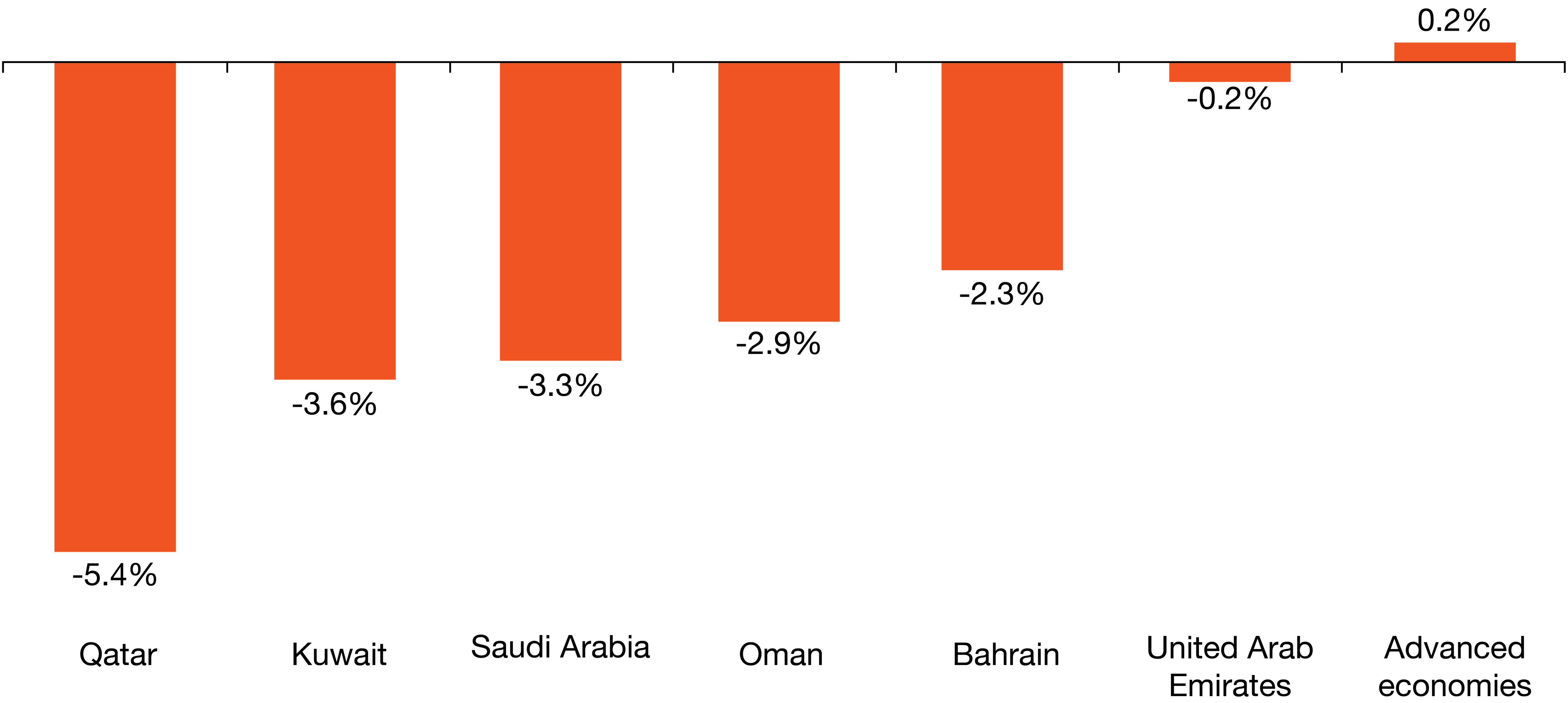
Goldman Sachs, one of the significant US banks, forecasted that the economies of Qatar and Kuwait could deal with a 14% contraction as oil shipments would reduce in a scenario where the Strait of Hormuz stayed closed for two months.

Latest Posts
Top Foreign Capital Trends across the Middle East Economy
Key Stock Capital Strategies for Regional Growth
Dynamic Middle East Equity Market Cycles to Watch